The Magical Citadel of Machu Picchu
“There it is.”
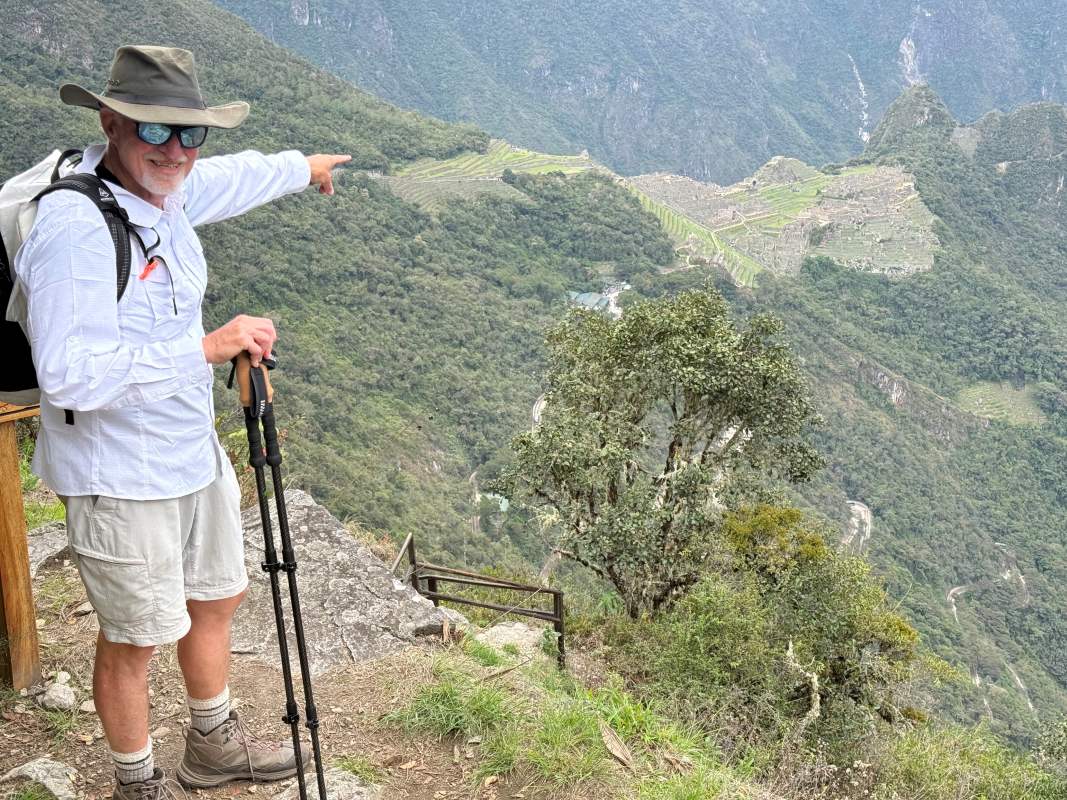
Gilbert, one of our guides on Peru’s Inca Trail, was pointing through the trees toward a steep incline. At the top was weathered stone structure, lit by mid-afternoon sun that had poked through the clouds.
The rest of our group had gone ahead, already snapping photos at the top of the trail. “I want to savor this,” I said as we slowly marched ahead. Gilbert, also known as “Big G,” returned a broad smile.
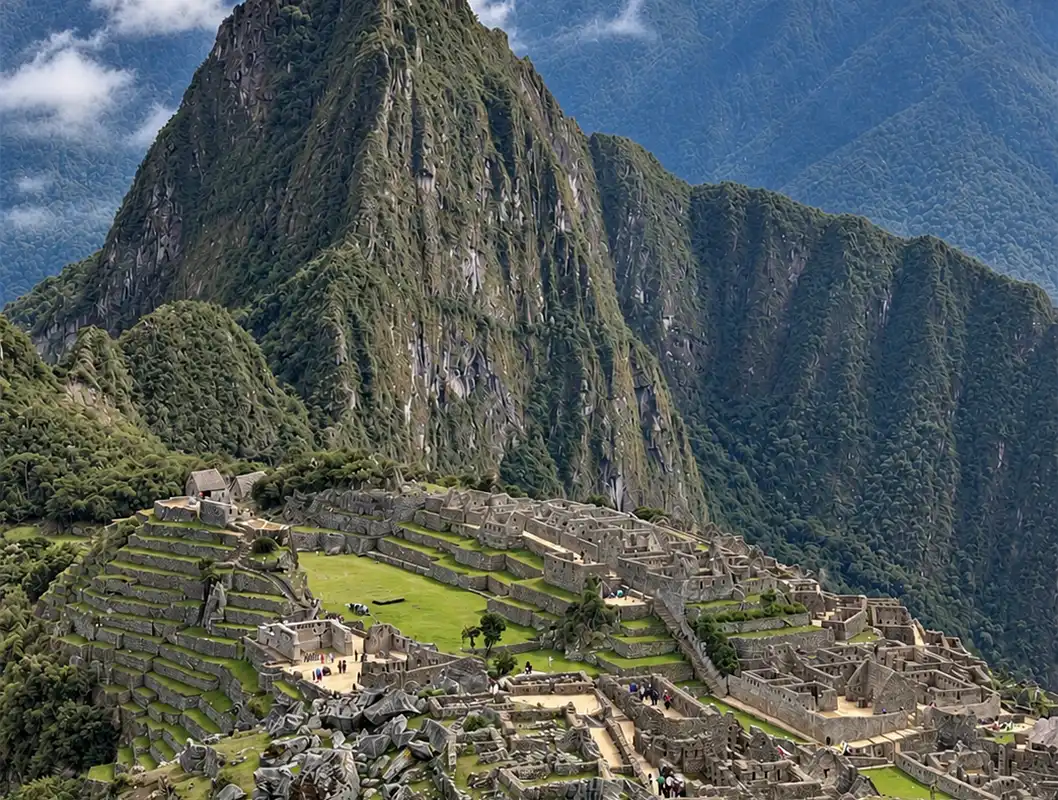
We were arriving at the famous Sun Gate, also called Inti Punku, which towers above the famed citadel of Machu Picchu. When I reached the top, tracing the steps of Inca travelers from the 15th century, I was treated to a stunning, iconic view of Machu Picchu, one I had seen only in photos.
On that day, we had completed a stretch called KM104 (Kilometer 104), which winds 7.5 miles through stunning mountain terrain to the Sun Gate, a hike of approximately six to seven hours. The stone route then descends into the citadel, an architectural marvel that remains well-preserved after nearly six centuries.
The original route was built during the reign of Pachacti Inca Yupanqui and his son, Topa Inca Yupanqui. It was designed to connect the city of Cusco with Machu Picchu, where rulers and nobility would make ceremonial pilgrimages. The trail a small was part of the Qhapaq Nan, a labyrinth of roads stretching for nearly 30,000 kilometers through the Inca Empire, which at its peak was larger than the Roman Empire. Once Spaniards invaded the area, it was abandoned by the Incas until it was rediscovered by American explorer Hiram Bingham in 1911. It was recognized as a UNESCO World Heritage Site in 1981.
It is my understanding that the Inca Trail was not built by slaves. It was constructed by skilled laborers, masons and artisans, who saw it as a privilege for help erect a sacred route to the sanctuary of Machu Picchu. The Andes feature extremely steep terrain. The winding pathway through the mountains is an engineering marvel, built primarily to transport royalty to the distant citadel.
The primary pilgrimage to Machu Picchu was made in June, the time of the winter solstice in the Southern Hemisphere. On June 21st, a beam of light enters a window and illuminates a central ceremonial stone inside the Temple of the Sun, a semi-circular structure at the citadel. This marks the exact start of the solstice, a time for the Incas to celebrate the rebirth of Inti, The Sun God, and the start of another agricultural cycle. The illumination of the stone is just of many architectural wonders of Machu Picchu.
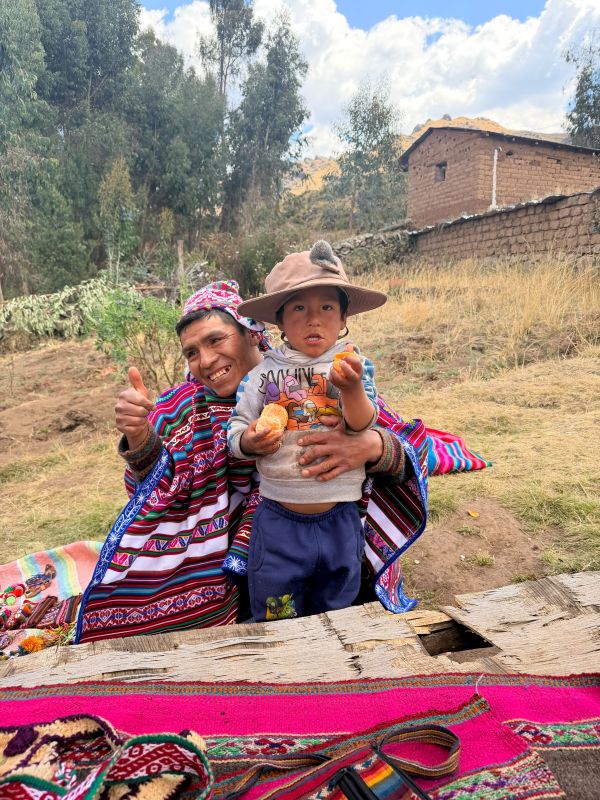
The “Classic” Inca Trail stretches approximately 26 miles, and is completed in four days by guided groups using porters, who prepare meals and set up shelters. Since I was traveling with my wife, Derilynn, who no longer does strenuous hikes, I decided to make the Upper Sacred Valley and Lares trek, which took an alternate, less-crowded route to KM104. We stayed in two lodges and a hotel over the first five nights, allowing me to hike with a small group while my wife could enjoy some of the archeological sites.
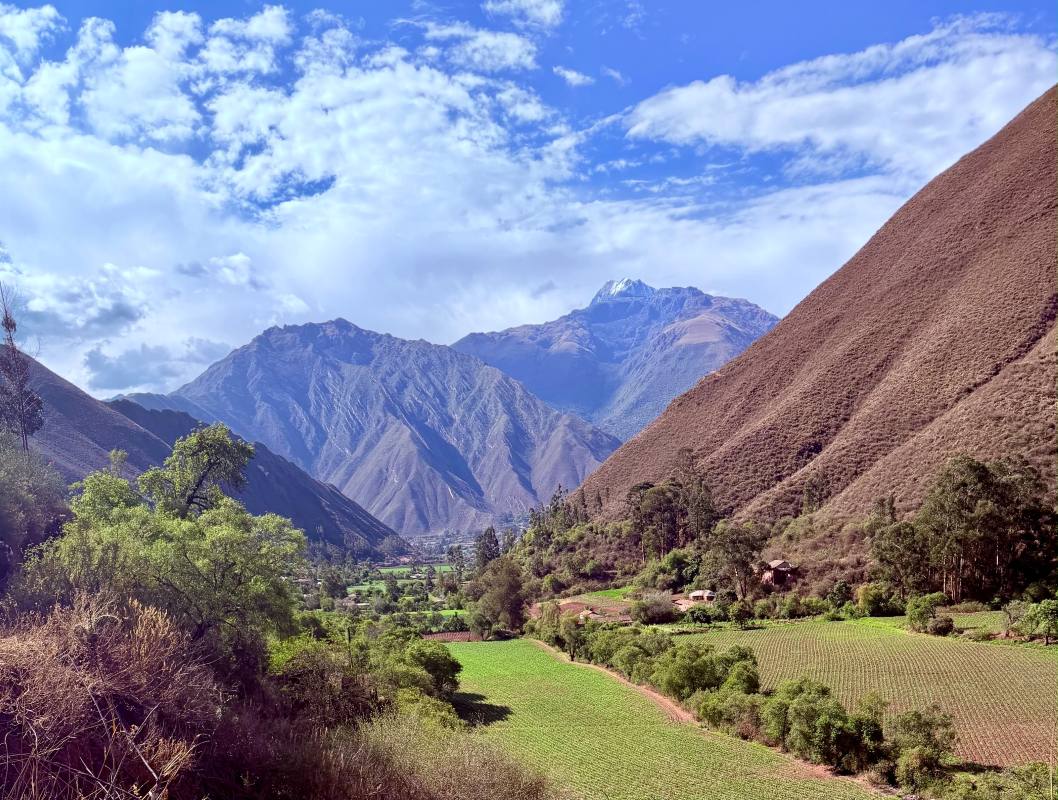
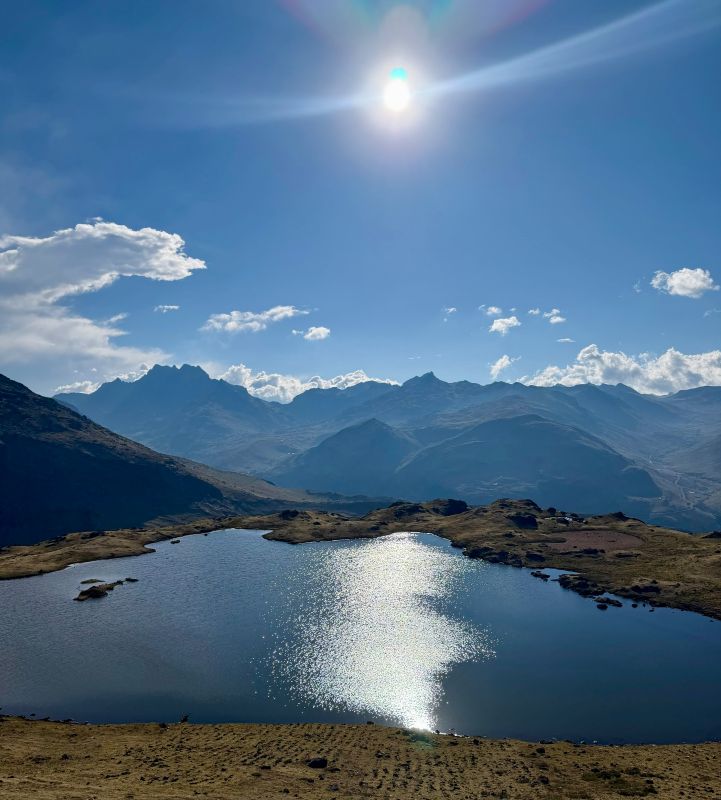
After staying in the charming city of Cusco for two nights, we joined our group to begin our trek. Although we stayed in comfortable accommodations, the alternate route was by no means easy. The hikes were rated at “moderate,” which I found open to debate, and I teased our primary guide, Whilder, about this point. On two of the hikes, we crossed over passes well above 14,000 feet, my lack of oxygen offset by the breathless views of the Andes. I completed four hikes that week, the final one a fairly flat three miles as I tapered down in preparation for KM104. Whilder’s strategy of acclimating us to high altitude paid off. Our group met the challenge of KM104, which started at 7,200 feet and rose to 8,900 feet, with relative ease.
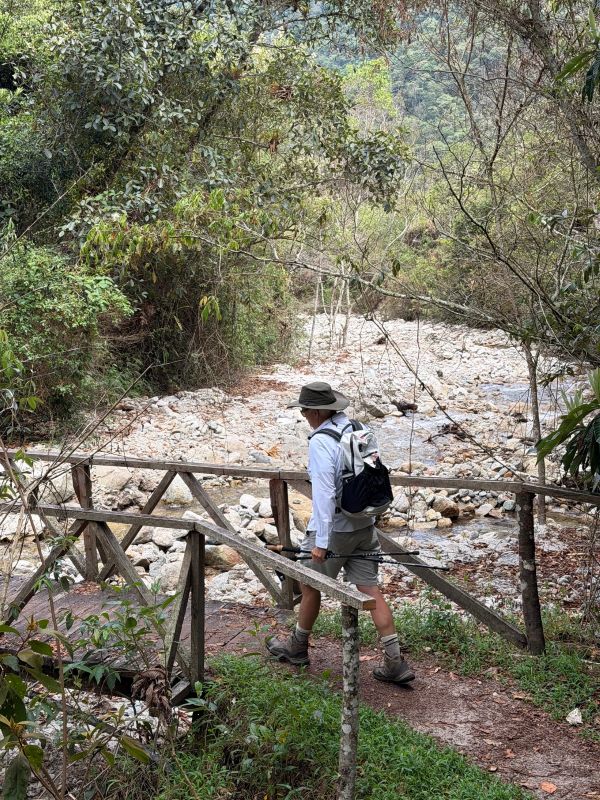
The hike was not without its somber moments. Earlier this year, a hiker lost his footing on one stretch of the trail. He reached for a railing, but it gave way, and he unfortunately did not survive the fall. We listened in a sad silence as Whilder told us about the incident, which many of us had heard about in news reports.
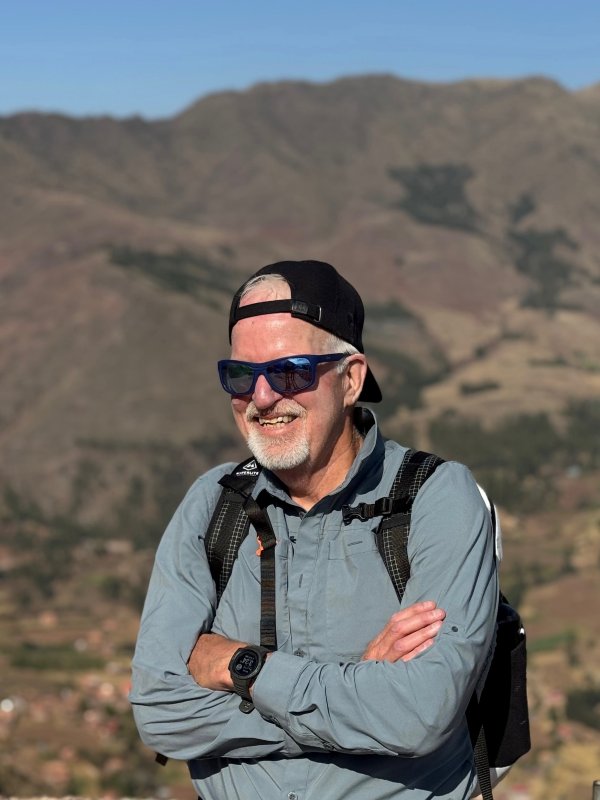
On several occasions, I was able to walk alongside Whilder, a good-natured man born and raised in Peru. We had discussions on all manner of subjects, and our senses of humor seemed well-aligned. As is the case whenever I have traveled abroad, I connected with people from other places, making the world a little more intimate, which to me is as valuable as the inspiring sites I have been able to visit.
I am hopeful that more adventures lie ahead.